


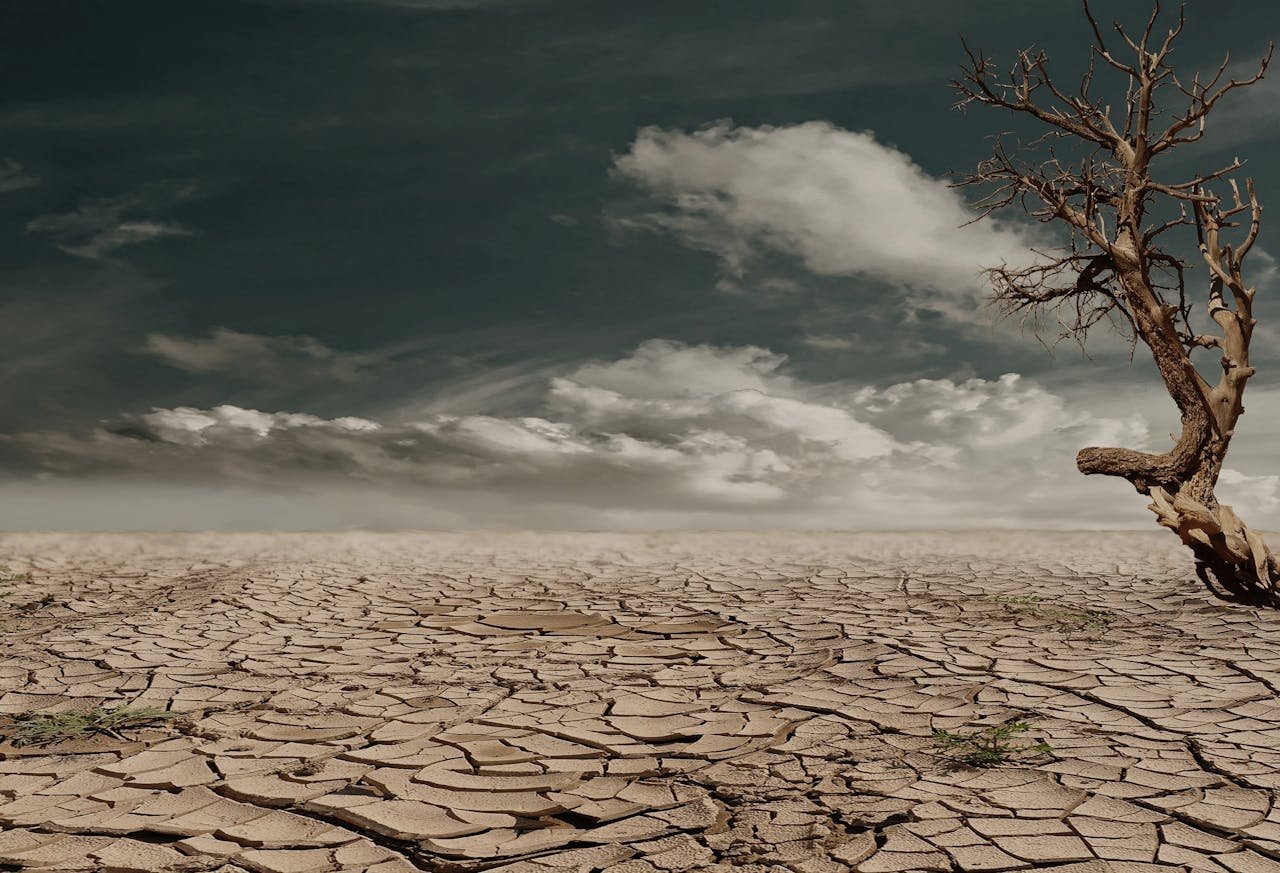
Somalia is one of the countries most vulnerable to climate change, experiencing frequent droughts, floods, desertification, and food insecurity. These environmental challenges affect agriculture, water resources, and livelihoods across the country. Effective climate change solutions for Somalia must focus on community resilience, sustainable resource management, and climate-smart development.
This article explains practical climate change solutions for Somalia that can help communities adapt and protect the environment.
1. Climate-Smart Agriculture
Agriculture is the backbone of rural livelihoods in Somalia. However, unpredictable rainfall and droughts have reduced crop productivity. Promoting climate-smart agriculture is one of the most important climate change solutions for Somalia.
Examples include:
- Growing drought-resistant crops such as sorghum and millet
- Using crop rotation and intercropping to improve soil fertility
- Introducing improved irrigation systems
- Promoting agroforestry practices
Traditional farming knowledge already used by Somali communities—such as cultivating drought-tolerant crops and mixed farming—can help increase resilience to climate shocks.
2. Water Resource Management
Water scarcity is one of the biggest environmental challenges in Somalia. Sustainable water management is a critical climate change solution for Somalia.
Key strategies include:
- Rainwater harvesting systems
- Building reservoirs and small dams
- Protecting rivers and groundwater resources
- Efficient irrigation technologies
Programs in Somalia have already supported the construction of reservoirs, wells, and canals to help communities survive droughts and improve water access.
3. Reforestation and Ecosystem Restoration
Deforestation and land degradation increase the impacts of climate change. Planting trees and restoring ecosystems are effective climate change solutions for Somalia.
Important actions include:
- Large-scale tree planting campaigns
- Protecting rangelands and forests
- Restoring degraded land
- Community-based forest management
Restoring rangelands has already helped improve productivity and protect local livelihoods in some regions of Somalia.
4. Community-Based Natural Resource Management
Local communities play a key role in protecting the environment. Community-driven approaches are essential climate change solutions for Somalia.
These approaches include:
- Community water management committees
- Sustainable grazing management
- Conservation of forests and biodiversity
- Environmental awareness campaigns
Community initiatives help manage land, water, and forests more sustainably while strengthening local resilience to climate change.
5. Climate-Resilient Infrastructure
Somalia’s cities and rural areas need infrastructure that can withstand climate shocks such as floods and extreme heat. Climate-resilient infrastructure is another important climate change solution for Somalia.
Examples include:
- Flood protection systems and drainage
- Green urban spaces
- Climate-resilient housing
- Improved road and irrigation infrastructure
A recent national project aims to improve climate resilience in 17 Somali cities through flood defenses, green spaces, and improved urban planning.
6. Renewable Energy Development
Renewable energy can reduce environmental damage and improve access to electricity. Expanding renewable energy is a key climate change solution for Somalia.
Examples include:
- Solar energy systems
- Wind energy projects
- Energy-efficient technologies
Renewable energy can reduce dependence on charcoal and fossil fuels while protecting forests and ecosystems.
7. Strengthening Climate Policies and Partnerships
Strong policies and international partnerships are necessary to address climate change effectively. Somalia’s National Adaptation Plan focuses on improving agriculture, water management, and environmental restoration.
Government agencies, NGOs, and international partners must work together to implement these strategies and support vulnerable communities.
Conclusion
Climate change poses serious challenges for Somalia, but effective solutions are possible. Implementing sustainable climate change solutions for Somalia—such as climate-smart agriculture, water conservation, reforestation, renewable energy, and community-based resource management—can help protect livelihoods and ecosystems.
With strong community involvement, supportive policies, and international cooperation, Somalia can build resilience and create a more sustainable future.